
In Hartford's humid climate, where warm summers and tree-covered neighborhoods create the perfect breeding ground for roof contaminants, these issues aren't just common—they're practically inevitable. The good news? Professional soft wash roof cleaning can safely remove these threats, protect your investment, and potentially add years to your roof's life. Here's everything Hartford homeowners need to know about this essential maintenance service.
Key Takeaways
- Soft washing uses low-pressure water (60-300 PSI) and specialized solutions to kill algae and moss at the root
- The Asphalt Roofing Manufacturers Association recommends soft washing over pressure washing to protect shingles
- Professional roof cleaning costs $560-$900 for most Hartford-area homes and helps prevent premature replacement
- Hartford's humid summers and tree cover call for condition-based inspections every 1-3 years
What Is Soft Wash Roof Cleaning?
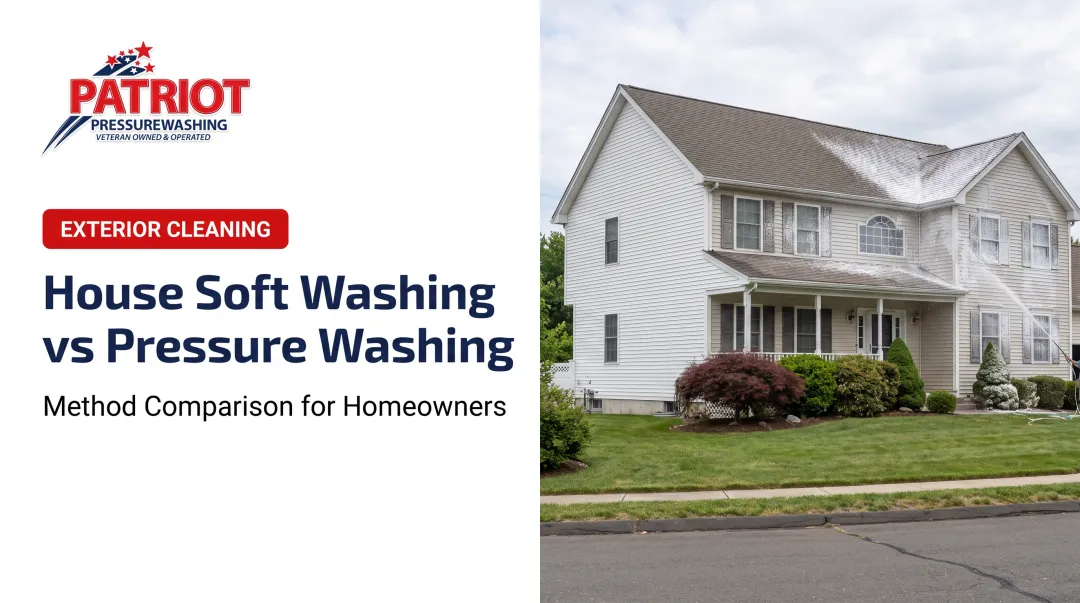
Soft washing is a cleaning method that combines low-pressure water application (typically 60-300 PSI, similar to garden hose pressure) with biodegradable cleaning solutions designed to break down and eliminate organic contaminants. Unlike high-pressure washing, which blasts away surface stains while potentially damaging your roof, soft washing treats the problem at its source.
How the Process Works
The Asphalt Roofing Manufacturers Association (ARMA) recommends a specific method for asphalt shingle roofs:
- Application: A 50:50 mixture of laundry-strength liquid chlorine bleach and water is applied using a low-pressure sprayer
- Dwell time: The solution sits on the roof for 15-20 minutes, allowing it to penetrate and kill algae, moss, lichen, and mold at the cellular level
- Gentle rinse: Low-pressure water thoroughly removes dead contaminants and cleaning agents without forcing water under shingles or dislodging granules

The cleaning solution works through oxidative action. Hypochlorous acid inactivates microbial defenses, killing the organisms behind those black streaks and green patches.
Soft Washing vs. Pressure Washing: A Critical Difference
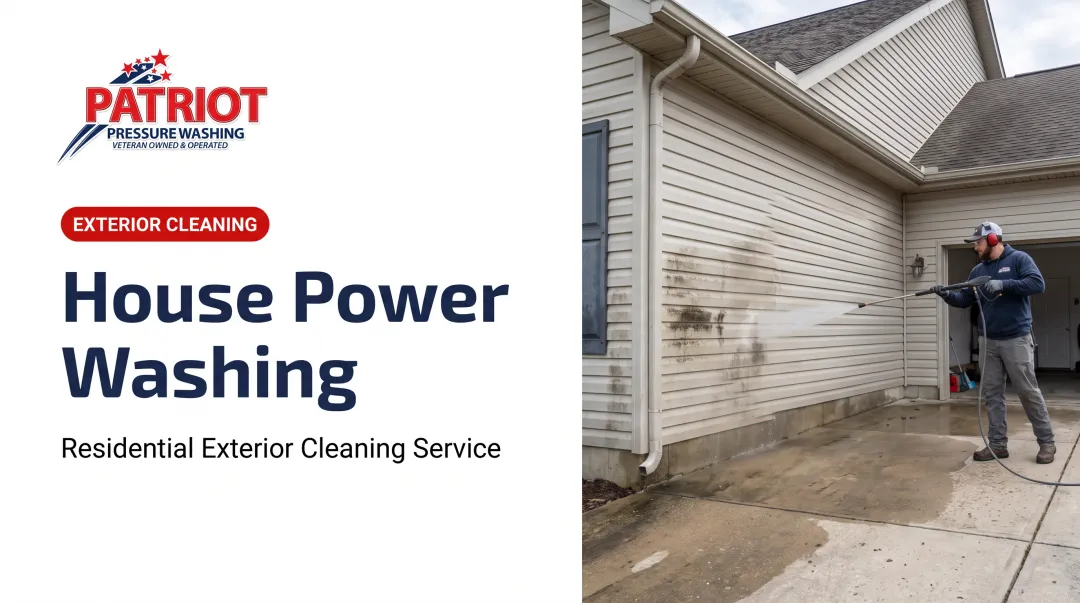
Standard residential pressure washers generate 2,000-3,000 PSI. Soft washing operates at just 60-300 PSI, closer to the 35-80 PSI of a typical garden hose. That pressure gap is what keeps cleaning safe and effective instead of risking damage that shortens a roof's life.
ARMA is unambiguous in its guidance: pressure washing asphalt shingles causes granule loss and is very likely to cause premature roof failure. Soft washing is the only method the association recommends for cleaning asphalt roofs.
Why Soft Washing Is Superior to Pressure Washing
Protects Roof Integrity
High-pressure water can damage your roof while it cleans. GAF, one of North America's largest roofing manufacturers, warns that excessive pressure can:
- Strip protective granules from asphalt shingles, reducing UV protection and accelerating aging
- Dislodge or crack individual shingles, creating immediate leak risks
- Force water horizontally under shingles and flashing, where it can rot the underlying deck
Manufacturer warranties are at risk, too. IKO explicitly states that pressure washing, scrubbing, and high chemical concentrations may void their limited warranty. A new roof can cost $10,000–$25,000, so protecting that warranty is essential.
Kills Contaminants at the Source
Pressure washing might blast away the visible black streaks, but it doesn't kill the underlying organisms. The algae's root system remains embedded in your shingles, and regrowth begins almost immediately.
Soft washing takes a different approach. The specialized cleaning solution penetrates the surface and eliminates the cellular structure of algae, moss, and lichen. Exact regrowth timelines vary, but treating the root cause lasts longer than blasting off surface growth alone.
Safer for Various Roof Materials
Cleaning methods should match the roof material:
- Asphalt shingles: Most common residential material and highly vulnerable to pressure damage. ARMA and GAF both endorse low-pressure chemical cleaning.
- Clay and concrete tiles: Brittle and easy to crack under high pressure. A soft wash rinse removes organic stains without stressing the tile.
- Metal roofing with protective coatings: The Metal Roofing Alliance recommends mild detergent and manufacturer-approved cleaners. High pressure can strip coatings and void warranties.
- Wood shakes and slate: Wood absorbs moisture; slate can delaminate. Confirm the manufacturer's cleaning guidance before any work.

When Even Soft Washing Should Wait
Cleaning isn't always the answer. If your roof shows curling shingle edges, substantial granule loss in gutters, visible leaks, or widespread deterioration, a professional inspection should come before cleaning. In these cases, the roof may need repair or replacement rather than cosmetic treatment.
Benefits of Soft Wash Roof Cleaning
Extends Roof Lifespan and Prevents Costly Damage
The dark streaks running down your roof often signal Gloeocapsa magma, a blue-green algae species. According to Professional Roofing magazine, this algae feeds on the limestone filler commonly used in asphalt shingles.
While ARMA notes that no scientific evidence proves algae directly damages shingles, the organization is clear about moss: it lifts shingle edges, promotes lateral water movement, and increases moisture exposure to the underlying roof deck.
In Hartford's climate, warm, humid summers and cold, snowy winters create ideal conditions for organic growth, and moss becomes especially problematic. Oregon State University explains that moss traps soil, debris, and moisture against roofing materials, extending the time wood stays wet and accelerating deterioration.
During freeze-thaw cycles, that retained moisture expands and contracts, causing additional damage.

Regular cleaning removes these threats before they compromise your roof's structural integrity. Given that roof replacement costs range from $5,900 to $12,900, preventive maintenance is a smart investment.
Improves Energy Efficiency
A clean roof performs better, not only looks better. Dark algae stains absorb solar heat rather than reflecting it, raising attic temperatures and forcing your HVAC system to work harder in summer.
The EPA notes that cool-roof solar reflectance can reduce peak residential cooling demand by 11%-27% and that cleaning helps maintain a roof's reflective properties. While this data applies specifically to cool roofs designed for maximum reflectance, the principle holds: a clean, unobstructed roof surface stays cooler than one coated in heat-absorbing organic growth.
Enhances Curb Appeal and Property Value
When potential buyers drive up to your home, a stained, moss-covered roof signals deferred maintenance and raises questions about what else might need work. ARMA confirms that algae's established impact is aesthetic, and in real estate, aesthetics directly influence perceived value.
Professional appraisers and home inspectors routinely factor roof condition into their evaluations. While no appraisal-association data quantifies the exact value increase from cleaning, the logic is straightforward: a well-maintained roof contributes to overall property appeal and helps justify your asking price.
Supports Indoor Air Quality
Mold and mildew on a roof can become health concerns. The EPA states that mold exposure can trigger asthma attacks in mold-allergic individuals and irritate eyes, skin, nose, and throat.
While no authoritative source establishes that roof-dwelling mold reliably enters homes through attic ventilation, mold and organic contaminants on your roof still increase the microbial load around your property.
For families with allergies, asthma, or respiratory sensitivities, reducing potential irritant sources is a reasonable precaution.
Minimizes Environmental Impact With Proper Controls
Professional soft washing uses cleaning solutions that break down naturally—but that doesn't make them risk-free. EPA research shows that while hypochlorites decompose rapidly into non-toxic compounds in sunlit fresh water, they are highly toxic to freshwater fish and invertebrates during application.
Responsible contractors mitigate this risk by:
- Covering and protecting landscaping before application
- Controlling runoff and preventing solution from entering storm drains or waterways
- Using appropriate dilution ratios
- Thoroughly rinsing all surfaces after treatment
When applied correctly, soft washing minimizes environmental impact compared to repeated high-pressure washing, which uses more water and requires more frequent retreatment due to ineffective contaminant removal.
The Soft Wash Roof Cleaning Process
Knowing the steps ahead of time helps you plan the day and recognize quality work when you see it. Here's how a typical soft wash job unfolds:
1. Initial Inspection The technician examines your roof to assess its condition, flag problem areas, and confirm cleaning is safe. Roofs with severe damage, missing shingles, or active leaks usually need repair first.
2. Preparation The crew covers or pre-wets surrounding landscaping so plants stay protected from the cleaning solution. They also check gutters to confirm proper drainage for the rinse phase.
3. Solution Application Using specialized low-pressure equipment, the technician applies the cleaning solution evenly across the roof surface. ARMA specifies a 50:50 bleach-to-water mixture for asphalt shingles, though formulations may vary slightly based on contamination severity and roof material.
4. Dwell Time The solution sits on the roof for 15-20 minutes so it can penetrate and kill organic growth. During that window, the technician keeps the surface from drying out—moisture is what drives the chemical action.
5. Gentle Rinse Low-pressure water washes away dead contaminants, loosened debris, and leftover cleaning agents. GAF emphasizes that water should always run downward with the roof's natural flow, so moisture isn't forced under the shingles.
6. Final Inspection The technician walks the property with you to confirm full coverage and answer any remaining questions.

Cost of Soft Wash Roof Cleaning in Hartford, CT
According to Angi's September 2024 data, soft washing a 1,600-square-foot asphalt, clay, or concrete roof typically costs $560-$900 nationally. Local Hartford pricing may vary based on several factors:
Primary Cost Drivers:
- Roof size: Larger square footage requires more solution, labor, and time
- Pitch/steepness: Steeper roofs demand additional safety equipment and slow the cleaning process
- Contamination severity: Heavy moss or lichen buildup may require a second application or hand removal
- Accessibility: Multi-story homes or properties with limited access increase labor complexity
- Roof material: Specialty materials like slate or cedar shake may require adjusted solutions and extra care
Cost Context:
- DIY pressure washing: $300-$500 for equipment rental, solution, and your time. ARMA explicitly warns against pressure washing asphalt shingles
- Premature roof replacement: $10,000-$25,000 due to neglect or pressure-washing damage
- Professional soft washing: $560-$900 for preventive maintenance that protects your investment
Stacked against a $10,000–$25,000 early replacement, professional soft washing is simple preventive maintenance. In Hartford, final pricing usually comes down to your roof’s size, pitch, and buildup after a quick on-site look.
How Often Should Hartford Homeowners Clean Their Roofs?
There's no universal cleaning calendar. Instead, base your schedule on annual inspections and visible condition triggers.
Hartford-Specific Risk Factors
Connecticut's climate, with warm humid summers and cold winters, favors algae and moss. GAF notes growth thrives in damp, shaded spots where sunlight can't dry the roof quickly.
Properties with these characteristics need more frequent monitoring:
- Heavy tree coverage creating shade and debris accumulation
- North-facing roof slopes receiving less direct sunlight
- Proximity to water bodies increasing ambient humidity
- Poor attic ventilation trapping moisture
Visual Signs It's Time to Clean
Don't wait for a calendar date. Schedule cleaning when you notice:
- Black streaks: Gloeocapsa magma algae discoloration
- Green patches: Moss or lichen growth, especially along edges and in valleys
- Granule loss: Excessive granules collecting in gutters
- Curling shingle edges: May indicate moisture damage from moss
- Water stains in attic: Signs of compromised roof integrity

GAF recommends inspecting your roof at least once per year. Most Hartford homeowners with moderate tree coverage and typical humidity fall into a 1–3 year cleaning cycle—sooner if the signs above show up first.
Choosing the Right Roof Cleaning Professional
The contractor you hire matters as much as the cleaning method. Use these checks to separate qualified soft-wash pros from corner-cutters:
Essential Qualifications
Licensing and insurance: Connecticut requires home-improvement contractors performing covered residential work to register with the Department of Consumer Protection and carry at least $20,000 in general liability insurance. Verify registration status and request proof of both liability coverage and workers' compensation insurance before signing any contract.
Soft washing experience: Ask specifically about low-pressure cleaning methods, not just general pressure washing. A contractor who leads with "high-pressure roof cleaning" hasn't done their homework. Worse, they may be ignoring manufacturer guidance.
References and portfolio: Request before-and-after photos from local projects and contact previous customers. Pay attention to how the contractor communicates throughout the quote process. Clear, responsive communication during the sales phase usually carries through the project.
Red Flags to Avoid
- Companies that only offer high-pressure washing: ARMA's guidance is clear: walk away
- Extremely low prices: If a quote seems too good to be true, the contractor is likely cutting corners on insurance, solution quality, or proper rinsing
- No insurance documentation: Never allow uninsured workers on your roof
- Unwilling to provide written estimates: Verbal quotes and handshake agreements lead to disputes
What Sets Quality Providers Apart
The best contractors combine technical expertise with old-fashioned service values:
- Transparent communication: Clear explanations of the process, timeline, and what you should expect
- Eco-friendly solutions with proper controls: Biodegradable products plus landscaping protection and runoff management
- Commitment to customer satisfaction: Written estimates, project walkthroughs, and guarantees
In Hartford, Patriot Pressure Washing is built around those same standards. Founded in 2016 by Eric, a military veteran with 19 years of service and three deployments, the company applies discipline and attention to detail on every roof cleaning job.
As a certified Disabled Veteran Owned Business, Patriot supports the local VFW in Rocky Hill and the Wounded Warrior Program—and puts project scope, timeline, and expectations in writing before work begins.
Frequently Asked Questions
How much does it cost to soft wash a roof?
Most Hartford-area homes fall within the $560-$900 range based on national benchmarks, with final cost depending on roof size, pitch, and contamination level. This preventive investment protects against $10,000+ premature replacement costs.
What do professionals use to soft wash a roof?
Professionals use biodegradable solutions with sodium hypochlorite (similar to bleach) and surfactants, applied at low pressure under 500 PSI. ARMA recommends a 50:50 bleach-to-water mix for asphalt shingles, then a thorough low-pressure rinse.
How often should you soft wash your roof?
Inspect your roof annually and clean based on visible condition. Hartford homeowners typically need service every 1-3 years due to Connecticut's humid climate, tree cover, and shade. Let black streaks, green patches, or moss growth guide your schedule.
Do you rinse the roof after soft washing?
Yes. After the cleaning solution dwells for 15-20 minutes to kill organic growth, professionals use low-pressure water to thoroughly rinse away dead contaminants, loosened debris, and cleaning agents. Complete rinsing is essential to protect landscaping and prevent residue buildup.
Is soft washing your roof a good idea?
Yes. Soft washing is the only method the Asphalt Roofing Manufacturers Association recommends for asphalt shingle roofs. It removes damaging organic growth and protects roof integrity without the granule loss and shingle damage pressure washing causes.
Can you pressure wash a roof to remove moss?
No. Pressure washing may clear visible moss temporarily, but it strips protective granules, can dislodge shingles, and fails to kill the roots. ARMA warns it often leads to premature roof failure; soft washing is the manufacturer-approved alternative.
Ready to protect your Hartford home's most important asset? Contact Patriot Pressure Washing at (860) 661-2407 for a free roof cleaning estimate. Founded in 2016 and veteran-owned, with a 100% satisfaction guarantee, Patriot delivers the transparent, professional service your roof deserves.